Suicidal Tendencies - An Evolution
My introduction with Suicidal Tendencies began in the early 90s. I was partially aware of some of the skate and punk movements, but I wasn't as interested as most of my peers. I remember the ethos of style, attitude, and locality. Many of the skate bands came from the Southern California coastal areas, which shaped a lot of the underground scene (at that time).
A lot of the attitude relied on surf culture, but also a urban aspect that carried over to the suburban lifestyle. This is my understanding of the birth of that style.I feel its been young persons interest, as I haven't kept up as youthful angst doesn't fit a forty year old mindset.
Of the entire Suicidal Tendencies era, I lean more toward the self titled record. Following all the way through until their last with the major label Epic records: Suicidal For Life in 1994. What the group produced in the later half of the 90's I was aware of, some of it was okay, I didn't connect with any of it.
The first S.T. record I could relate because of the angst, hormones, and frustrations with finding an identity in a world with so many contradictions. This splintered outwards at my awkwardness, and those songs in that world to me felt more allegorical, and spoke more closely to my predilections.
Each record up til Suicidal For Life had a kind of evolution. I postulate that they moved from a garage Do It Yourself (DIY) hardcore/crossover mechanic (indie), eventually morphing and settling into an extremely well polished and heavily produced studio machine.
I got the brief opportunity to seeing Suicidal Tendencies play during their The Art of Rebellion jaunt with Megadeth with the Headbangers Ball tour in 1992. A critical issue/fault I had was frontman Mike Muir was barely audible, and in a live setting tended to be drowned out by the overpowered amps, drums, and bass.
Plus Mike's definitely can be a bit redundant with bravado, as he preached at that time (i.e. material off of Controlled By Hatred, Lights, Camera, Revolution, and The Art of Rebellion). The musicianship was always the focal point, and I couldn't fault their performance based on Mike's hard to decipher vocals.
The band could play their asses off, yet I think they were a studio band and I may have been a tad too late to their brand (shtick). I think if I had lived in the Venice Beach area and seen this band starting out, it wouldn't have felt like a strange experience.
Studious pieces of this band I liked were the guitar tones of Mike Clark, and Rocky George. bassists Louiche Mayorga, and Robert Trujillo. These gents stood out to me as they really gave their style and sound around the ethos of the band.
Many drummers have come and gone, but I can distinctly tell which record is from which era. The production is very much in line with the times it was created (80's raw, higher treble mixed, early 90's more bass driven, drum snare pops).
One guitarist that I think stood out for them was Rocky George. His time with Suicidal Tendencies brought soul to the wild noodle fest that permeated so much of the crossover style. His work with Join The Army and until Suicidal For Life have tone that punch which stands out.
Rocky's style (I believe) has this tendency of elongating notes and feeling out the performance which stood out to me, I still feel he accentuates Mike Clark's playing, and they feed off each other with a push pull component, kind of like a mechanical gear. After 1994's Suicidal For Life he dropped off the face of the Earth for awhile. It wasn't until the late 2000's I found out he was in Fishbone, and to me that is super cool. I will also say he is a hard gentleman to talk to.
Their older material levied an informative component to it. Though Suicidal Tendencies are still around, being on either a fourth or fifth incarnation, and with a different line ups, they still pack them in outside of the U.S.
The way we look at bands and how they evolve is a testament in how we ourselves develop over the duration of those careers. Because I can be a brutally honest with assessing the overall complexion, this band was another solid beacon for me in troubled times.
Though time and distance have elongated from when they were fresh, and distinctly off center. With Mike's blatant street macho aspect, they were something to take notice in a field of flooded sameness. It was nice to marvel in they're individualism, but that comparison I think ends where the words are concerned. I feel much different about their message now, in that there are gems sprinkled about, but by no means is their work perfect.
Reflective at looking at this band, what it represented is that still underground exposure, as validates what I was thinking about a lot at that time. It has bludgeoned me with a sense of loss, as the passage of time has hit, the realities of capturing lighting in a bottle. These seemed to have a direct effect on my outlook on the band. Thanks for reading.
Up next Infectious Grooves.
B.
Showing posts with label Personal Favorites. Show all posts
Showing posts with label Personal Favorites. Show all posts
Wednesday, March 4, 2015

Sunday, September 9, 2012
Oingo Boingo - 1979 - 1987 Releases
In this post I figured trying to do each album as its own post, but as I got into writing this, I started to think that my collecting early Oingo Boingo records were jumbled together in successive order. When I was finally able to collect these early records in fall of 1991, something was resonating internally with my prickly personality. I was enduring lots, and lots of intense euphoria from the tone, and inflection. I felt that connection should stay true for these reviews.
While I am a lot older, I've learned more about Oingo Boingo after their disbanding in 1995. I've become familiarized with The Mystic Knights Of Oingo Boingo, along with their myriad assortment of bootlegs, b-sides and many, many soundtrack songs.
What I appreciate about Oingo Boingo was (at that time) a mystery (my first introduction), and I've come to appreciate that more now. I genuinely believe and like what the band did. They were an essential attitude, and character in a field of variety we don't see very much of now. But, I have my favorite records, and not so favorite records, either way I am confident in my respect of Oingo Boingo, and their place in my musical journey.
___________________________________________________________________________________

E.P. (Demo)1978 and 10' E.P. 1980
Provides a newcomer to the foundation of Oingo Boingo. Songs such as Forbidden Zone (rough cut), I'm So Bad, Ain't This The Life, and Only A Lad. Whereas the 1980 10' EP has better production, omitting Forbidden Zone and its place Violent Love(Willie Dixon), These two early chapters refine what 'the sound' Oingo Boingo were shaping. Though they are over 30 plus years old, the studio production has a tunnel sound, yet the overall 'meat' of the band is very well clear.
___________________________________________________________________________________
 Only A Lad Released 1981
Members: Danny Elfman, Steve Bartek, Johnny Vato's Hernandez, Dale Turner, Leon Schneiderman, Sam 'Sluggo' Philips, Richard Gibbs, and Kerry Hatch.
This record has insane crazy hooks in each of the songs. Its sarcastic, inventive, inquisitive, and unique. The booming horns with Little Girls sets up the listener with all the pep, and bounce. The verbiage is acerbic, and cuts straight through the bullshit. The cadence, and presentation is memorable because how disjointed it is. It stays with you because its removed from the trappings of what is expected.
When I listen to this I'm immediately thrust into a jubilant mood, even with its sardonic tone, its edgy based on the frustrations its conveying. Rhythmically its overdubbed, as it twinges on the every edge of electronic. All of the elements of production push this record in places that I think hadn't been attempted. Songs have a thrombotic presence, because it feels hypnotic, and alluring. Its cadence is in the ballsy attitude it is portraying.
What I like about this first record is its bizarreness, and off the cusp gravitas. It doesn't really follow anything that one would expect. It grabs with its novelty, and does a remarkable job of keeping the pressure up until finally relenting with Nasty Habits. Only A Lad gives the listener all these crazy sounds to fit its unique identity.
___________________________________________________________________________________
 Nothing To Fear Released 1982
Members: Danny Elfman, Steve Bartek, Johnny Vato's Hernandez, Dale Turner, Leon Schneiderman, Sam 'Sluggo' Philips, Richard Gibbs, and Kerry Hatch.
The second record makes its concerted effort to be a little more mellower, but still have the deft its conveying. Some of the songs tend to drift a little bit, but there is a construction to the motif. Guitar wise its different because it has a lot of punk like riffs, and memorable solos. The brass section is bristly, with a consistent mix of electronic overdubbing, and keyboards. A lot of Nothing To Fear sticks with you.
Like the first record, there is a lot of studio trickery here, especially with the drums because they sound premeditated (programmed). I won't fault that part because its album number two. Opening with Grey Matter, and closing with Reptiles And Samurai.
Both albums jangle around in my head. When I first heard these records, the notes would rumble about, lay dormant, and then pop out when I'd least expect them. Both these records still have had a profound impact on me as a listener.
___________________________________________________________________________________
 Good For Your Soul Released 1983
Members: Danny Elfman, Steve Bartek, Johnny Vato's Hernandez, Dale Turner, Leon Schneiderman, Sam 'Sluggo' Philips, (final record for Richard Gibbs, and Kerry Hatch).
This record pairs down some of oft crisp zaniness, and moves them into a wiser arena. Its poignant, its sharp, and hangs with a twinge of sweaty sarcasm, while underneath it eliciting an eclectic contradiction.
Lyrically, its mustering a bit of observation. Message or not, the overdubs are even more pronounce, along with more oddity of their instrument compositions. Many of the songs themselves mystified me. The guitar tone lay in on the periphery but bordering on contemporary. Opening with Who Do You Want To Be?, and closing with Little Guns.
But, Good For Your Soul borders on a eclectic feel, yet it tries to break out, but is controlled. Sure its mystical, and transcendent. Though I felt it was genuine, I kept having this underlying feeling it was unsure of its presence. The best analogy I can give Good For Your Soul it is bipolar.
Don't get me wrong, Good For Your Soul is memorable, but what it is projecting is questionable. I still frequent this record for its use of wit, and disruptive attitude. The cleverness though would see a sizable shift in the membership of the band, as both Richard Gibbs and Kerry Hatch left, along with their leaving I.R.S. records.
___________________________________________________________________________________
 So-Lo Released 1984
Members: Danny Elfman, Steve Bartek, Johnny 'Vatos' Hernandez, Dale Turner, Sam 'Sluggo' Philips, Leon Schneiderman,
I've included this record because in my opinion this is a genuine Oingo Boingo record. Their first with MCA, many of the members are present, and though it has a different look, song wise So-Lo is crafted with monstrous overdubbing. Behind all the wizardry there are new instruments, weaving rhythmic passages, and staccato compositions.
So-Lo sounds sad, introspective, a tad reclusive. Picking out the main idea, there is a lot soul searching, and questioning going on. Underneath the surface though there is heft and emotional sting. It is a personal record on a profound level. I've uncovered truths along with each listen. What sells it though is how memorable, and clever wordplay are. I think So-Lo is powerful because of its brute assessment of being alienated, and never gaining acceptance which is a result of how vicious the music industry is. I don't think it took that much work to get that interpretation. Overall it is an inquisitive, and off the cusp honest record.
___________________________________________________________________________________

Dead Man's Party Released 1985
Members: Danny Elfman, Steve Bartek, Johnny 'Vatos' Hernandez, John Avila, Dale Turner, Leon Schneiderman, Sam 'Sluggo' Philips, Mike Bacich
Dead Man's Party is turbulent, glossy, and embraces everything cliche. It dives in, doing a remarkable great job of being accessible at every level. Opening with Dead Man's Party and finishing with Weird Science. The problem I had with this record was it's blatant hooky happenstance. I will not deny this was their quintessential peak.
That shouldn't really be a deciding factor on whether the average fan cares, but for me, this record is not one my favorites. It bores me because of its obnoxious presentation, and borders upon complete dullsville.
Much of the construction to these songs bottoms out after a few listens. Its catchy sure, but underneath there isn't longevity for repeated listens. This is one record that has the fewest spins in my collection. Both Dead Man's Party, and Weird Science are the go-to songs that many remember, but I was completely annoyed, and grew very, very, very tired of this record.
___________________________________________________________________________________

Boi-ngo Released 1987
Members: Danny Elfman, Steve Bartek, John Avila, Johnny 'Vatos' Hernandez, Dale Turner, Leon Schneiderman, Sam 'Sluggo' Philips, and Mike Bacich
By this release it was this disjointed, and a contradiction within Oingo Boingo itself. Opening with Home Again, and closing with Pain. The flow of this record especially, has had a very unsettled tone, it is militant, forceful, and schizophrenic. It kind of undoes what Dead Man's Party did, and knocked it on its ass.
It straddles between mocking the status quo, and then needing to find inner solace. Two completely different viewpoints sharing the same record. Music wise its tight, and doesn't fray too much. My only quibble though is the song order on Boi-ngo. It feels chopped, as the tracks themselves were rearranged which don't fit cohesively.
Though jagged, and sharp witted, the thing I came to understand with this record was undoing what was already done. Boi-ngo tried to recapture time in a bottle, unleash what was left of the zaniness and give true fans something genuine. Though it works because of the honesty, I felt that something else was changing, Oingo Boingo's next iteration Dark At The End Of The Tunnel. Thanks for reading.
B.
While I am a lot older, I've learned more about Oingo Boingo after their disbanding in 1995. I've become familiarized with The Mystic Knights Of Oingo Boingo, along with their myriad assortment of bootlegs, b-sides and many, many soundtrack songs.
What I appreciate about Oingo Boingo was (at that time) a mystery (my first introduction), and I've come to appreciate that more now. I genuinely believe and like what the band did. They were an essential attitude, and character in a field of variety we don't see very much of now. But, I have my favorite records, and not so favorite records, either way I am confident in my respect of Oingo Boingo, and their place in my musical journey.
___________________________________________________________________________________

E.P. (Demo)1978 and 10' E.P. 1980
Provides a newcomer to the foundation of Oingo Boingo. Songs such as Forbidden Zone (rough cut), I'm So Bad, Ain't This The Life, and Only A Lad. Whereas the 1980 10' EP has better production, omitting Forbidden Zone and its place Violent Love(Willie Dixon), These two early chapters refine what 'the sound' Oingo Boingo were shaping. Though they are over 30 plus years old, the studio production has a tunnel sound, yet the overall 'meat' of the band is very well clear.
___________________________________________________________________________________

Members: Danny Elfman, Steve Bartek, Johnny Vato's Hernandez, Dale Turner, Leon Schneiderman, Sam 'Sluggo' Philips, Richard Gibbs, and Kerry Hatch.
This record has insane crazy hooks in each of the songs. Its sarcastic, inventive, inquisitive, and unique. The booming horns with Little Girls sets up the listener with all the pep, and bounce. The verbiage is acerbic, and cuts straight through the bullshit. The cadence, and presentation is memorable because how disjointed it is. It stays with you because its removed from the trappings of what is expected.
When I listen to this I'm immediately thrust into a jubilant mood, even with its sardonic tone, its edgy based on the frustrations its conveying. Rhythmically its overdubbed, as it twinges on the every edge of electronic. All of the elements of production push this record in places that I think hadn't been attempted. Songs have a thrombotic presence, because it feels hypnotic, and alluring. Its cadence is in the ballsy attitude it is portraying.
What I like about this first record is its bizarreness, and off the cusp gravitas. It doesn't really follow anything that one would expect. It grabs with its novelty, and does a remarkable job of keeping the pressure up until finally relenting with Nasty Habits. Only A Lad gives the listener all these crazy sounds to fit its unique identity.
___________________________________________________________________________________

Members: Danny Elfman, Steve Bartek, Johnny Vato's Hernandez, Dale Turner, Leon Schneiderman, Sam 'Sluggo' Philips, Richard Gibbs, and Kerry Hatch.
The second record makes its concerted effort to be a little more mellower, but still have the deft its conveying. Some of the songs tend to drift a little bit, but there is a construction to the motif. Guitar wise its different because it has a lot of punk like riffs, and memorable solos. The brass section is bristly, with a consistent mix of electronic overdubbing, and keyboards. A lot of Nothing To Fear sticks with you.
Like the first record, there is a lot of studio trickery here, especially with the drums because they sound premeditated (programmed). I won't fault that part because its album number two. Opening with Grey Matter, and closing with Reptiles And Samurai.
Both albums jangle around in my head. When I first heard these records, the notes would rumble about, lay dormant, and then pop out when I'd least expect them. Both these records still have had a profound impact on me as a listener.
___________________________________________________________________________________

Members: Danny Elfman, Steve Bartek, Johnny Vato's Hernandez, Dale Turner, Leon Schneiderman, Sam 'Sluggo' Philips, (final record for Richard Gibbs, and Kerry Hatch).
This record pairs down some of oft crisp zaniness, and moves them into a wiser arena. Its poignant, its sharp, and hangs with a twinge of sweaty sarcasm, while underneath it eliciting an eclectic contradiction.
Lyrically, its mustering a bit of observation. Message or not, the overdubs are even more pronounce, along with more oddity of their instrument compositions. Many of the songs themselves mystified me. The guitar tone lay in on the periphery but bordering on contemporary. Opening with Who Do You Want To Be?, and closing with Little Guns.
But, Good For Your Soul borders on a eclectic feel, yet it tries to break out, but is controlled. Sure its mystical, and transcendent. Though I felt it was genuine, I kept having this underlying feeling it was unsure of its presence. The best analogy I can give Good For Your Soul it is bipolar.
Don't get me wrong, Good For Your Soul is memorable, but what it is projecting is questionable. I still frequent this record for its use of wit, and disruptive attitude. The cleverness though would see a sizable shift in the membership of the band, as both Richard Gibbs and Kerry Hatch left, along with their leaving I.R.S. records.
___________________________________________________________________________________

Members: Danny Elfman, Steve Bartek, Johnny 'Vatos' Hernandez, Dale Turner, Sam 'Sluggo' Philips, Leon Schneiderman,
I've included this record because in my opinion this is a genuine Oingo Boingo record. Their first with MCA, many of the members are present, and though it has a different look, song wise So-Lo is crafted with monstrous overdubbing. Behind all the wizardry there are new instruments, weaving rhythmic passages, and staccato compositions.
So-Lo sounds sad, introspective, a tad reclusive. Picking out the main idea, there is a lot soul searching, and questioning going on. Underneath the surface though there is heft and emotional sting. It is a personal record on a profound level. I've uncovered truths along with each listen. What sells it though is how memorable, and clever wordplay are. I think So-Lo is powerful because of its brute assessment of being alienated, and never gaining acceptance which is a result of how vicious the music industry is. I don't think it took that much work to get that interpretation. Overall it is an inquisitive, and off the cusp honest record.
___________________________________________________________________________________

Dead Man's Party Released 1985
Members: Danny Elfman, Steve Bartek, Johnny 'Vatos' Hernandez, John Avila, Dale Turner, Leon Schneiderman, Sam 'Sluggo' Philips, Mike Bacich
Dead Man's Party is turbulent, glossy, and embraces everything cliche. It dives in, doing a remarkable great job of being accessible at every level. Opening with Dead Man's Party and finishing with Weird Science. The problem I had with this record was it's blatant hooky happenstance. I will not deny this was their quintessential peak.
That shouldn't really be a deciding factor on whether the average fan cares, but for me, this record is not one my favorites. It bores me because of its obnoxious presentation, and borders upon complete dullsville.
Much of the construction to these songs bottoms out after a few listens. Its catchy sure, but underneath there isn't longevity for repeated listens. This is one record that has the fewest spins in my collection. Both Dead Man's Party, and Weird Science are the go-to songs that many remember, but I was completely annoyed, and grew very, very, very tired of this record.
___________________________________________________________________________________

Boi-ngo Released 1987
Members: Danny Elfman, Steve Bartek, John Avila, Johnny 'Vatos' Hernandez, Dale Turner, Leon Schneiderman, Sam 'Sluggo' Philips, and Mike Bacich
By this release it was this disjointed, and a contradiction within Oingo Boingo itself. Opening with Home Again, and closing with Pain. The flow of this record especially, has had a very unsettled tone, it is militant, forceful, and schizophrenic. It kind of undoes what Dead Man's Party did, and knocked it on its ass.
It straddles between mocking the status quo, and then needing to find inner solace. Two completely different viewpoints sharing the same record. Music wise its tight, and doesn't fray too much. My only quibble though is the song order on Boi-ngo. It feels chopped, as the tracks themselves were rearranged which don't fit cohesively.
Though jagged, and sharp witted, the thing I came to understand with this record was undoing what was already done. Boi-ngo tried to recapture time in a bottle, unleash what was left of the zaniness and give true fans something genuine. Though it works because of the honesty, I felt that something else was changing, Oingo Boingo's next iteration Dark At The End Of The Tunnel. Thanks for reading.
B.
Monday, July 30, 2012
Oingo Boingo - Dark At The End Of The Tunnel

Oingo Boingo - Dark At The End Of The Tunnel
Febuary 20th 1990
By 1990 Oingo Boingo were going on eighteen years (I'm counting Mystic Knights here), Danny Elfman, Steve Bartek, John Avila, Carl Graves, Johnny Vatos Hernandez, Sam 'Sluggo Phillips, Leon Schneiderman, and Dale Turner were present.
Dark At The End Of The Tunnel after numerous listens I postulate is subdued, and bitterly sanguine. Musically there's distinct bounce, crisp like hooks, calculated placed jazz, and polished production giving the listener a glossy preen. Dark At The End Of The Tunnel (album 7) shifted their presentation into a left of center cleft of polished adult contemporary.
Underneath all of the gleam, there lies an unpleasantness poking through. Dark At The End Of Tunnel reminds me of a incomplete catharsis. Though Dark At The End Of The Tunnel tries to work on a profound level. Their ingenuity, and outside the box approach were were long gone in lieu of a cliche foundation continued since Dead Man's Party.
Why? Because three years prior Danny Elfman's soundtrack composing pushed Boingo into the background. Orchestral involvement took him away from giving Boingo anything more, and he let it idle in a stasis of purgatory. The one caveat here is that Danny was gaining more notoriety for his movie scores, than his rock band Oingo Boingo. Though he kept trying to push Boingo into a new places of popularity he continued to fall short.
Dark At The End Of Tunnel was ignored because of the shift of interest of the industry, just as their final opus, Boingo never could get around the cult status. Songs on Dark At The End Of The Tunnel are composed with sprinkles of deft premeditated intent, but overall the substance is encased in a grandiosity of which often trips over itself.
I do give this record an ample amount of discretion because it gave me guidance to a very terse period of time. Song wise, they are standardized, and structured in short execution; its no frills, and straight ahead album. The obvious importance is upon the message its conveying, and that is change is abound, get used to it.
The brevity to the record lay in it's not so subtle lyrical aspects. Danny's excellent prose sometimes becomes preachy, and can alienate the listener. For example: Try To Believe, and Right to Know I feel takes away from the heft that accompanies the first five songs. One can still notice the starkness of the first half of the album, and where it begins to unravel. I somewhat believe it crumbled what could have been a halfway decent release.
With all of this, Dark At The End Of The Tunnel is a mix of ideas trying to coalesce. It makes its statement, then goes off into its own weird oddity. No matter, I still listen to this record, given its flaws, and its mistakes. It has a place in the history of Oingo Boingo, and I still find myself talking about this record long after it was released. Having the time to digest, and integrate all the elements, I'm confident in my assessment, its okay, but it is not the best Oingo Boingo offered. Thanks for reading.
B.
Saturday, July 7, 2012
Oingo Boingo - Boingo - Final Album

Boingo - Released May 17th 1994
Technically their 8th and final album (as I'm counting Danny Elfman's solo record So-Lo) is a record of major shifts in tonality, and execution. Specifically we are introduced to a new guitarist Warren Fitzgerald of The Vandals.
The usual parties included Danny Elfman (vocals rhythm guitars), Steve Bartek (lead guitars), John Avila (bass), and Johnny Vatos Hernandez (drums). Whereas Carl Graves, Sam Sluggo Phillips, Leonard Schneiderman, and Dale Turner are relegated into the background, while they do get album credits, little is known as to their contribution. As most of the record had a distinctly guitar punch rather than the keyboards, and horn section of prior material. Overall its a melancholy record, with heavy sprinkles of orchestration.
Why was this record shift so pronounce? Tonally the shift from the 80's peppy, polished, and heavily produced, into a distortion laden, and impishly sarcastic folk tome throws the listener off the scent. With Boingo there isn't anything left of their 80's sound, it is a focal testament to the constant evolution Danny Elfman brought to Oingo Boingo.
With Boingo, its execution and theme are dark, cynical, and subversive. Boingo serves the listener (at first) with a palate of heaviness, and after begins to mellowing out. At first I was put off by it, yet its allure was in the hypnotic strips of the orchestral pieces, and hidden within songs were layer upon layer of introspective prose.
The first song Insanity, is a dark woven construct, and prickly. At the very core rips out every belief, and bares rabid teeth to make a crucial point: humanity is fucked. It shapes what essentially becomes the entire motif of the record. The song weaves a crescendo like wave, interspersed with using a choir of children seems unique, and off kilter. Every time I hear this song, the rhythm, and tapping of the drum sticks puts me into a hypnotic trance.
Hey! the second track welcomes me into a elegant poetic form. Shifting one into a folk manner, as this is a off the cusp (what the hell moment?). Yet it works, the honesty in which alludes so many, Danny is upfront with the message. He cares not for what you or I think.
Then comes Mary which shivs me with its cruel execution. A song about suicide told from the perspective of Mary. When I listened the emptiness is pronounce. The hard road of travels, and the pain of realizing that life has moved on, and people within the circles forget. Its deft in execution, and can be harsh for those first hearing this.
Can't See Useless, a song about everything going wrong. Nothing works, and no matter the gist of the situation, it can be a bear of a struggle to stay upbeat. I sometimes have to skip this as this is very difficult song to get through.
Pedestrian Wolves, one of the most curious aspects of this song is how it goes into two directions, throwing me into a dizzy fit. Using both a waltz, and reggae rhythm, which breaks up continuity of the guitars. The lyrical prose is filled with a reference of horror, and elation. Its a strange affair to behold.
Lost Like This, having heard the demo (1983) and what would be is interesting. It pushes the upward tick in the way the heavy drop of reality settles. While it isn't standard fair of Boingo, it has its own purpose of showing what Oingo Boingo were doing.
Spider, a radio friendly number, not my favorite.
War Again, a song about all the coverage of the Gulf War (1991), and the lessons America has yet learn in the ways of diplomacy. Pretty political in the scope, and its execution. I still think Little Guns off of Good For Your Soul(1983) makes a better assessment. I felt like Danny was repeating the same things.
I am the Walrus, a Beatles tune, done in a modern Boingo way.
Tender Lumplings, kind of an odd arrangement, yet I should add here, that way after this record came out, I went on a search for B-sides. Sure enough the songs like Water, and Vultures were omitted due to constraints of the (then) compact disc size.
Vultures song follows right after Tender Lumplings which I think should have been left on. I was more than miffed after finding this out years later. I believe it broke up the flow of the final release. With Tender Lumplings going into Change almost quickly, my ears could pick out a major edit. I found these songs online, and they are essentially a garbled mess (maybe poor mixing?).
Change is by far longest track Oingo Boingo ever did. It gives insight of that final evolution of the band in the form of this song. I fell deeply into this as it spoke to me in it's layering. The way this evolves is curious to me because of the flow and description it evokes. If ever there is a heavier moment, this is the track.
For this record it's construction is not simple, but its woven with a guitarists hand. Touching upon folk mood, parlaying a disjointed ambiance, and emotional staining jumbling forth. The Poly/Indo/Asian rhythms are prominent still, but the drumming is strictly adhering to a progressive style, rather than to the atypical new wave rock format.
Nowhere on this record is there a reference to any of Oingo Boingo's zippy, bizarre 80's arrangements. This is essentially a record so far removed from what they were known for, it was why I had a harder time associating with the record.
When I write about the overall appeal of Oingo Boingo, it is because of the breadth and style they brought. They never really got out of that stasis of being a niche West Coast band, and that I think harmed their overall acceptance. Front man Danny Elfman, put up great distance to his fans, as it was more out of wanting to be done with the whole thing.
I think Danny Elfman's key gift as a musician is in his keen potent observation, as it derives a lot from unfair industry criticisms, and a kind of pop music rejection. Though he had made more of a name for himself with his soundtrack work, Oingo Boingo were a entity few cared to notice or even acknowledge.
When I look back Oingo Boingo flexed, and gleefully poked at the status quo. Nothing they did gelled with the popularity construction, nor in societal acceptance. Hits were few, as their core audience derived of a few die hard fans. Boingo were left alone to do whatever they wanted, which in this day in age is unheard of.
Because of the niche aspect, Oingo Boingo struggled mightily, from many of the interviews I have parsed, Danny Elfman's struggles seemed to be around the label disinterest, and the lack of finding motivation to continue on with any of it.
He felt he'd done all he could with Oingo Boingo. The changes, the trials, and struggles were enough to put it to rest in 1995. I am extremely glad to have been part of their journey, but as these years drag onwards, I appreciate, and respect the work created. Thanks for reading.
B.

My Top 20 All Time Favorite Bands/Records
Here we are going to focus on the more prominent records, while giving a simple explanation. I'll try not to elaborate too much on selected records, as many already share some deep connection to the period and lexicon it bore from. I will also try to explain briefly why these are my favorites, whereas the list will have some variety (which all music listener should always have)
On any given day this list will shift, but I've narrowed down specifics of what I have been influenced by. Though I've had a distant affinity to music, as it was a crutch to get me through some very difficult periods of my life, I've come back to reasoning, and examined why I like these groups/records.
Starting backwards:

20. The Cure Three Imaginary Boys - No matter how shitty of a day I have, this record glints a positive smile from me. Its catchy, simple, and overall has a pronounce touch of class. 1979
 19. Peter Gabriel - Melt. A very curious record, it hit me in a very unexpected way. I wasn't familiar with this until the late 90's. The overall feel is a oddity that has to be explored via an actual record player. The basswork by Tony Levin is fantastic! 1980
 18. Prong - Cleansing. This record, was the right mix. Everything for what was happening met in the middle. This album has so much aggression, it seethes on every track. The guitar tone is phenomenal, it has its flaws, yes, but damn I can't fault it. (You know this was going to be here) Ted Parsons, Paul Raven, and Tommy Victor. Produced by Terry Date 1994

17. Suicidal Tendencies - Suicidal Tendencies. Hands down my favorite Suicidal record. The angst, cleft story telling, all encompassing around mental paranoia and some bits of truth is classic. 1983
 16. Anthrax - Persistence of Time. This is the first metal record I was introduced to in fall of 1990. Will always be my favorite. I've listened to this countless times, and the overall flow, and inflection nothing can touch. The drumming is Charlie Benante's finest, while their cover of Joe Jackson's Got the Time is superbly cool. 1990
 15. Corrosion Of Conformity - Blind. Pepper Keenan's beginning with COC, and the wording, attitude, and emotive guitar work is fantastic. So so many songs that wrap me in its electric field. The messages are as still poignant and current today as they were yesterday. I'm glad to have this in my collection. 1991
 14. Napalm Death - Harmony Corruption. Introduced to this in the early 90's, I was blown away. Not to take away from Lee Dorians contributions to Napalm Death, I feel Mr. Greenway brings a very distinct attitude. Harmony is crisp, a little rough, but still has a sizeable heft that fell on the wayside for many of the style. Live Corruption just amplifies everything I like about Napalm Death. R.I.P. Jesse Pintado. 1990
 13. Oingo Boingo - Boingo Alive. It is with this double album, done live, that has a very eclectic feel. Horns, jazz, and zippy live production to classic Oingo Boingo songs are included. Though Boingo never saw prominent popularity outside of a dedicated following, it is sad and ironic to witness so few remember this band. I have always listened to their catalog. 1988
 12. Thomas Dolby - Aliens Ate My Buick. I was introduced to Thomas Dolby in 1988. Having had myriad styles I was introduced to, I've come back to this record. Its weird cadence, faux live instruments, some are, some aren't, and it tricks me into being otherwise. Underrated U.S. for his contributions to music, Mr. Dolby will always be a welcomed staple here. 1988
 11. Type O Negative - World Coming Down. After the work of October Rust, I was in a much different head space when it came to crafting song structures. Here World Coming Down smacked me in the face in its tone, and approach. The work is beautiful and depressing at the same time. Peter Steele you are missed. 1999
 10. Primus - Pork Soda. Out of the catalog I had a hard time choosing which record, until it occurred to me, Pork Soda is the record that eclipses their entire body of work. They peaked, and went in a totally different direction each release thereafter. They just don't make records like these anymore. I love the cover, as claymation and animation are my guilty pleasures. 1993
 9. King Crimson - Discipline. The more I parse through my collection of various styles, one band creeps into each group I listen to. When I traverse much of the established format, there is no mistaking who and what. Though I have trouble picking a favorite, I always come back to this record Discipline. 1981
 8. Cannibal Corpse - The Bleeding. My first introduction to Cannibal Corpse, instantly loved it. I don't know what it is about this record, I keep trying to analyze it, and I come back to the presentation. Its tight, groovy, and the last Corpse record to feature Chris Barnes before he jetted off to form Six Feet Under. Its mean, bass heavy, and guttural. I love this record. 1994
 7. Machines of Loving Grace - Gilt. This band flew under the radar, like many great groups of that time (90s). This would also signal a concerted shift in major label interest for these groups. The problem was in the stasis being in or around the alternative (genre) market. Because of this I can't hear what Machines did with their final record, which was held up by Mammoth. Anyways, between Gilt and Concentration, this wins hands down with the mixture of live instrumentation, and industrial touch. 1995

6. Siouxsie and the Banshees - Juju. I've been a long time fan of Siouxsie and the banshees. My introduction was Peepshow, and from there I wandered into their established sound. The mixture of drumming patterns, and Siouxsie's combination of soft and booming vocal touch makes this a standout. It was between this or Tinderbox, which I think was their swansong, as their popularity wained considerably into the early 90s. 1980
 5. Meshuggah - Destroy, Erase, Improve. This record is the reason why I am a metal fan. Its different in the way it isn't expected. Though the formula is now more present today, this was unique when it arrived. The drumming, and guitar work is phenomenal because of the harmonics, interwoven structure, and a cadence that still blows me away. If ever there was a future sound, Meshuggah were it in 1995.
 4. Novembers Doom - Aphotic. No matter how shitty things are, this band gives great insight about reality. Through the palate in which the group paints, is a reflection of our troubling times. I like the allegorical prose, and each release since my introduction in 2007 is expanding that structure. It melds styles I prominently listen to without being to focal to one aspect. This is a fantastic record, and so many elements of diversity that is missing today. 2011
 3. Ihsahn - angL. Here is my struggle with Ihsahn, his Emperor stuff is good, whereas his solo stuff straddles the line between been there done that. With angL it is a story about dark, and light melded into a deep conflict. I think it works succinctly. It has a polished approach, Ihsahn's guitar work is masterful, and heartfelt. Great textures throughout this offering. 2008
 2. Killing Joke - Pandemonium. This was a challenge, as I'm deftly knowledgeable of Killing Joke's work. When I think of angst in its pure form, Killing Joke has this down. But, underneath there is a curiosity, and format that is hard to ignore. The more I delve further into into Killing Joke's prior catalog, the more I'm kicking myself for missing out. 1994
 1. Devin Townsend - Infinity. I should add I'm cheating here because of the breadth of work Devin Townsend has put out with Strapping Young Lad, his Punky Brewster, and his work with Steve Vai. No matter, he is today's prolific guitarist. Virtuoso in his dedicated approach, but emotive in expression. There are hits and some misses, but I picked this one as the crowning texture. I'm kind of biased here, as I like all of his work. 1998
On any given day this list will shift, but I've narrowed down specifics of what I have been influenced by. Though I've had a distant affinity to music, as it was a crutch to get me through some very difficult periods of my life, I've come back to reasoning, and examined why I like these groups/records.
Starting backwards:

20. The Cure Three Imaginary Boys - No matter how shitty of a day I have, this record glints a positive smile from me. Its catchy, simple, and overall has a pronounce touch of class. 1979
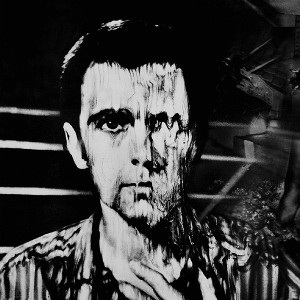


17. Suicidal Tendencies - Suicidal Tendencies. Hands down my favorite Suicidal record. The angst, cleft story telling, all encompassing around mental paranoia and some bits of truth is classic. 1983


6. Siouxsie and the Banshees - Juju. I've been a long time fan of Siouxsie and the banshees. My introduction was Peepshow, and from there I wandered into their established sound. The mixture of drumming patterns, and Siouxsie's combination of soft and booming vocal touch makes this a standout. It was between this or Tinderbox, which I think was their swansong, as their popularity wained considerably into the early 90s. 1980


Sunday, January 22, 2012
Morgul: A Band I Like
Knowing a little about some of the Norwegian black metal history and lore, I've been a staid observer. Not that its a bad thing, its crucial to have a unbiased approach when absorbing all that the style offers. Because I am a older listener, I tend to stumble through material looking for key components which stand out. While its true there is an overabundance in the field, it can be overwhelming when one doesn’t really know where to start. Thankfully, I've been lucky enough to muddle my way through, sometimes I fail horribly, other times I hit the "jackpot", in this case it was Morgul.
Morgul began in Råde Norway in 1991, while later taking residence in the United States. Morgul is currently without a label due to the shifting climate of the music industry. Otherwise little is known about their status, the last known article was an email interview done around 2006. I’m always checking any new information or progress, but alas nothing has proven fruitful.
Morgul was a happy accident, I had stumbled upon them via one night of random searching for new extreme music. Not knowing who or what awaited me, my initial impression was it floored me in how out of the periphery it was. I began digging for more information and found that Morgul started out in black metal. Now for those unfamiliar with black metal it is a genre that is linked to the heavy metal tree. In my opinion Morgul falls between genres because of the mixed motifs in presentation. A question arose about whether or not this was black metal, there seems to have some connection to the style, but its more expansive whereas black metal is more confined to being raw, rather than taking the style in new places.
For the average person who doesn’t know what is black metal? Typically it employs material which straddles between two extremes, either a militant and cacophonous wall of ferociousness, or the more experimental and symphonic approach. The militant aspect tends to languish and stay within a framework of animalistic aggression, whereas the experimental flourishes with more grandiosity.
Songs usually employ hyper stylized blast beats, with fretted onslaught distortion of guitars, all encompassed with either raspy, or screechy vocals. The more outside of the scope the vocals and musicianship is, will often labor outside of the pack. For me I lean towards the flair, and showy, rather follow the super extreme sound. Don't get me wrong I love the extreme style, but there comes a point when so much of the same desensitizes one. Some bands can do it well, but it takes a very precise hand to know when and where to use it.
Fans of the style will have a receptiveness which entails a steady, and patient ear. It takes good keen listening skills to hear all varied nuances. Production can be really good, or labor in very poor and sloppy execution. Black Metal employ varied themes of cultural symbolism, paganism, anti-establishment, anti-religion, and satanism. Black metal artists will decorate themselves with corpse paint to evoke a character of demonic demeanor. Some of it can be frightening, other times it can be quite comical. If a band is really good its an added element in which helps accent the music. At the same time some artists choose not to employ it and let their musical artistry work for them.
Now having laid out the basics, Morgul employs a gamut of styles, which is not really a commonality of black metal. I think the most profound of his work is how it gleams classical elements and portrays it in a modernistic way, while delivering a distant period motifs of the late 19th and 20th century. There is definitely a cold and bitter lore to the foundation, as I think Jack D. Ripper (vocalist) conveys this to the listener.
Every facet of Morgul has layered experimentation. Lyrically it is bound with human absurdities, insanity, a morbid curiosity of death, all enveloped inside purest darkness. Morgul waylays into the deeper elements of our human frailty, and this could be seen as extremely negative. This isn’t for the faint, or timid, if you can get past the upfront caustic tome, there is beauty lurking underneath all the ugliness.
What sets Morgul apart from his brethren is instruments not typically heard in the style. Instruments like violins, pianos, keyboards, electronic percussion, and slower tempos. There is supreme power behind the work, whereas the vocals which are congruent to the music constantly morph, and evolve behind bristling sound landscape's.
His Extended Play's were of the common fair of the period, fast, fierce, and uncompromising. The first Extended Play Vargvinter a demo, plays around with song composition, the raw like tendencies usurp anything inventive to the black metal style, but it sets up fertile ground in what would eventually become "sound" for Morgul.
 The second EP In Gowns Flowing Wide elaborates more on the theme, mixing up the tempos a smidgen, while introducing the listener to sprinkling of keyboard touches, and acoustic parts. Some of the songs seem to wander a tad bit, as there is an organic evolution happening with the song structure, while still feeling out its purpose of technique, and nuance. Its an interesting period to check out, if you can find it that is. Its relatively difficult to obtain.
 Lost In The Shadows Grey Morgul's first 'real' record begins branching out from his EP work. There is progression used this time around, the tempos are intermittently crushing, but the mode is showing the listener greater potential. The first song Enthralled uses a piano intro, and back dropped behind the piano intro is a keyboard waltz. Something of a staple or shtick that any band will use to cement what they're about. This sets up the listener to a weary and foreboding experience. Whereas it begins to twist into something far more sinister, and creepy. The remainder record showcases blistering power cords, drum tempo with frequent fills, and shrieking vocals. Does take some getting used to.
 Parody of Mass I think is where Morgul starts to setup a nice groove. Variances of tone, (more) waltz like rhythms, a better cleaner production helps accent the piercing guitar work, and moderate tempo changes make this a great record. I think Morgul becomes distinctly more unique here. Black Hearts Domain gives the listener a shifted sense. Songs themselves flow consistently without concern of blockage to that form. Healing The Blind starts out in the usual format, but then takes a sharp turn, keeping the listener agape as to what will happen next. Unfortunately, I was extremely late to this record, last year had me finally getting a chance to hear it. Alas I am so very happy to hear this record, a top five for me even though its been out a while.
 The Horror Grandeur takes what is established with Parody and stretches the tome a little further into newer places. Its mellower but don't let that steer you away. It still showcases the harsh inflection of Morgul signature, while still staying true to the medium of expression. Each track continues to hold up even today. The Murdering Mind, and Cassandra's Nightmare lengthen out the waltz's, while shoring up a very intense emotional pull to the psyche. Its like music to a really dark horror film, as the title of the record implies. The Horror Grandeur typifies why Morgul uses wider variances to song structuring. Overall themes and feel wise there is evident layering going on, that the twisted, and tormented co-exist in a very bizarre place. I personally felt and believe there is something strong to behold with this record.
 Sketch Of Supposed Murderer, with this record evoked a band named Therion. Especially with the track Violent Perfect Illusions, the use of the symphonic element became much more apparent this time. This record had more zip, pep, and jump to the songs. I think the changing climate of the scene going on eleven years now, pushed this record out off into the horizon. I think in today's climate should warrant this record a second look. Elaborating Sketch Of Supposed Murderer is different in the cannon of Morgul. There are obvious attempts to capitalize on the pop construct, but I truly thought and believed it never felt genuine to warrant that branding. Maybe it wasn't ready for acceptance at that time, though it has elements for a more wider audience, it got lost in the shuffle of more prominent popularity bands like Dimmu Borgir, and Cradle Of Filth. Like so many groups that tried to be unique in their own right, just couldn't break through. Sometimes it just wasn't ever meant to be, which saddens me because this would have been a great addition to what was already out there.
 All Dead Here, a record four years removed from Sketch, was largely shunned and ignored. Because of the Norwegian wave of popularized symphonic black metal peaking in the U.S. people’s attention wasn't in the same head space anymore.
For me I was in constant search for the next extreme "thing", and would become utterly disappointed with the next wave of what was considered extreme. I eventually settled on the idea it doesn't have to be super intense, or pummeling to be extreme. My tastes changed a lot in that four year span. I was opening up to ethereal concepts to what music was, as this showed me how musical expression invoked differences to all music styles. I had moved on towards Enslaved, gaining more understanding to the organic construction of song structures, melodic flow, and power tones whilst still keeping my ears toward the more extreme. It kinda helped I was immersing myself with Opeth a lot more.
Whereas the music industry wasn't supportive of the style here stateside. Regardless, All Dead Here, songs like The Need To Kill, Sanctum Perversion, Hategrinder, and Outro showcased where Morgul progressed into. A mere simplified, interwoven pieces, felt jagged, and confined. I ultimately felt this record congruently broke up the flow, most of the songs felt like they were languishing in the ether. Many of the tracks are focal to their existence, were disjointed, which soured the mood. Its a tad weird to listen to again, and know how this exists in its own stasis.
Don't get me wrong each song on this record sells heavy ambient textures. Gone were overt fierceness, replaced with harmonic touches, and keyboarding. Shifting the prism of rhythm, shunted blast beats, which further cocooned the emotion. It seemed like the motivation or reason to be was to languish in abject sorrow. Alas, that would be the last full length, and due to the problems with how the industry was at that time, I’d be surprised if Morgul will ever return. Especially in today’s climate where there is so much uncertainty to where and what will happen next.
You can find a few Morgul releases, the debut, Horror, Sketch, and All Dead Here in digital form. Unfortunately, Parody, and the first EP’s are a lot tougher to get. Since I’m a download kind of person, it would be nice to have a record to add to my growing collection. Thanks for reading.
B.
Morgul began in Råde Norway in 1991, while later taking residence in the United States. Morgul is currently without a label due to the shifting climate of the music industry. Otherwise little is known about their status, the last known article was an email interview done around 2006. I’m always checking any new information or progress, but alas nothing has proven fruitful.
Morgul was a happy accident, I had stumbled upon them via one night of random searching for new extreme music. Not knowing who or what awaited me, my initial impression was it floored me in how out of the periphery it was. I began digging for more information and found that Morgul started out in black metal. Now for those unfamiliar with black metal it is a genre that is linked to the heavy metal tree. In my opinion Morgul falls between genres because of the mixed motifs in presentation. A question arose about whether or not this was black metal, there seems to have some connection to the style, but its more expansive whereas black metal is more confined to being raw, rather than taking the style in new places.
For the average person who doesn’t know what is black metal? Typically it employs material which straddles between two extremes, either a militant and cacophonous wall of ferociousness, or the more experimental and symphonic approach. The militant aspect tends to languish and stay within a framework of animalistic aggression, whereas the experimental flourishes with more grandiosity.
Songs usually employ hyper stylized blast beats, with fretted onslaught distortion of guitars, all encompassed with either raspy, or screechy vocals. The more outside of the scope the vocals and musicianship is, will often labor outside of the pack. For me I lean towards the flair, and showy, rather follow the super extreme sound. Don't get me wrong I love the extreme style, but there comes a point when so much of the same desensitizes one. Some bands can do it well, but it takes a very precise hand to know when and where to use it.
Fans of the style will have a receptiveness which entails a steady, and patient ear. It takes good keen listening skills to hear all varied nuances. Production can be really good, or labor in very poor and sloppy execution. Black Metal employ varied themes of cultural symbolism, paganism, anti-establishment, anti-religion, and satanism. Black metal artists will decorate themselves with corpse paint to evoke a character of demonic demeanor. Some of it can be frightening, other times it can be quite comical. If a band is really good its an added element in which helps accent the music. At the same time some artists choose not to employ it and let their musical artistry work for them.
Now having laid out the basics, Morgul employs a gamut of styles, which is not really a commonality of black metal. I think the most profound of his work is how it gleams classical elements and portrays it in a modernistic way, while delivering a distant period motifs of the late 19th and 20th century. There is definitely a cold and bitter lore to the foundation, as I think Jack D. Ripper (vocalist) conveys this to the listener.
Every facet of Morgul has layered experimentation. Lyrically it is bound with human absurdities, insanity, a morbid curiosity of death, all enveloped inside purest darkness. Morgul waylays into the deeper elements of our human frailty, and this could be seen as extremely negative. This isn’t for the faint, or timid, if you can get past the upfront caustic tome, there is beauty lurking underneath all the ugliness.
What sets Morgul apart from his brethren is instruments not typically heard in the style. Instruments like violins, pianos, keyboards, electronic percussion, and slower tempos. There is supreme power behind the work, whereas the vocals which are congruent to the music constantly morph, and evolve behind bristling sound landscape's.
His Extended Play's were of the common fair of the period, fast, fierce, and uncompromising. The first Extended Play Vargvinter a demo, plays around with song composition, the raw like tendencies usurp anything inventive to the black metal style, but it sets up fertile ground in what would eventually become "sound" for Morgul.
 The second EP In Gowns Flowing Wide elaborates more on the theme, mixing up the tempos a smidgen, while introducing the listener to sprinkling of keyboard touches, and acoustic parts. Some of the songs seem to wander a tad bit, as there is an organic evolution happening with the song structure, while still feeling out its purpose of technique, and nuance. Its an interesting period to check out, if you can find it that is. Its relatively difficult to obtain.
 Lost In The Shadows Grey Morgul's first 'real' record begins branching out from his EP work. There is progression used this time around, the tempos are intermittently crushing, but the mode is showing the listener greater potential. The first song Enthralled uses a piano intro, and back dropped behind the piano intro is a keyboard waltz. Something of a staple or shtick that any band will use to cement what they're about. This sets up the listener to a weary and foreboding experience. Whereas it begins to twist into something far more sinister, and creepy. The remainder record showcases blistering power cords, drum tempo with frequent fills, and shrieking vocals. Does take some getting used to.
 Parody of Mass I think is where Morgul starts to setup a nice groove. Variances of tone, (more) waltz like rhythms, a better cleaner production helps accent the piercing guitar work, and moderate tempo changes make this a great record. I think Morgul becomes distinctly more unique here. Black Hearts Domain gives the listener a shifted sense. Songs themselves flow consistently without concern of blockage to that form. Healing The Blind starts out in the usual format, but then takes a sharp turn, keeping the listener agape as to what will happen next. Unfortunately, I was extremely late to this record, last year had me finally getting a chance to hear it. Alas I am so very happy to hear this record, a top five for me even though its been out a while.
 The Horror Grandeur takes what is established with Parody and stretches the tome a little further into newer places. Its mellower but don't let that steer you away. It still showcases the harsh inflection of Morgul signature, while still staying true to the medium of expression. Each track continues to hold up even today. The Murdering Mind, and Cassandra's Nightmare lengthen out the waltz's, while shoring up a very intense emotional pull to the psyche. Its like music to a really dark horror film, as the title of the record implies. The Horror Grandeur typifies why Morgul uses wider variances to song structuring. Overall themes and feel wise there is evident layering going on, that the twisted, and tormented co-exist in a very bizarre place. I personally felt and believe there is something strong to behold with this record.
 Sketch Of Supposed Murderer, with this record evoked a band named Therion. Especially with the track Violent Perfect Illusions, the use of the symphonic element became much more apparent this time. This record had more zip, pep, and jump to the songs. I think the changing climate of the scene going on eleven years now, pushed this record out off into the horizon. I think in today's climate should warrant this record a second look. Elaborating Sketch Of Supposed Murderer is different in the cannon of Morgul. There are obvious attempts to capitalize on the pop construct, but I truly thought and believed it never felt genuine to warrant that branding. Maybe it wasn't ready for acceptance at that time, though it has elements for a more wider audience, it got lost in the shuffle of more prominent popularity bands like Dimmu Borgir, and Cradle Of Filth. Like so many groups that tried to be unique in their own right, just couldn't break through. Sometimes it just wasn't ever meant to be, which saddens me because this would have been a great addition to what was already out there.
  All Dead Here, a record four years removed from Sketch, was largely shunned and ignored. Because of the Norwegian wave of popularized symphonic black metal peaking in the U.S. people’s attention wasn't in the same head space anymore.
 For me I was in constant search for the next extreme "thing", and would become utterly disappointed with the next wave of what was considered extreme. I eventually settled on the idea it doesn't have to be super intense, or pummeling to be extreme. My tastes changed a lot in that four year span. I was opening up to ethereal concepts to what music was, as this showed me how musical expression invoked differences to all music styles. I had moved on towards Enslaved, gaining more understanding to the organic construction of song structures, melodic flow, and power tones whilst still keeping my ears toward the more extreme. It kinda helped I was immersing myself with Opeth a lot more.
Whereas the music industry wasn't supportive of the style here stateside. Regardless, All Dead Here, songs like The Need To Kill, Sanctum Perversion, Hategrinder, and Outro showcased where Morgul progressed into. A mere simplified, interwoven pieces, felt jagged, and confined. I ultimately felt this record congruently broke up the flow, most of the songs felt like they were languishing in the ether. Many of the tracks are focal to their existence, were disjointed, which soured the mood. Its a tad weird to listen to again, and know how this exists in its own stasis.
Don't get me wrong each song on this record sells heavy ambient textures. Gone were overt fierceness, replaced with harmonic touches, and keyboarding. Shifting the prism of rhythm, shunted blast beats, which further cocooned the emotion. It seemed like the motivation or reason to be was to languish in abject sorrow. Alas, that would be the last full length, and due to the problems with how the industry was at that time, I’d be surprised if Morgul will ever return. Especially in today’s climate where there is so much uncertainty to where and what will happen next.
You can find a few Morgul releases, the debut, Horror, Sketch, and All Dead Here in digital form. Unfortunately, Parody, and the first EP’s are a lot tougher to get. Since I’m a download kind of person, it would be nice to have a record to add to my growing collection. Thanks for reading.
B.
Subscribe to:
Posts (Atom)